Skip to Content

Kim | From Misdiagnoses to Management: One Woman’s Journey With Hereditary Angioedema

Kim | From Misdiagnoses to Management: One Woman’s Journey With Hereditary Angioedema

Fort Worth, TX

This individual is providing context about their experience living with HAE and is not commenting about an investigational therapy from Intellia Therapeutics.

“When I finally learned I had HAE, there was a moment of elation, and then right after that, it was, ‘Oh my gosh, I have this. And it’s forever.’”

Kim’s journey with the rare genetic disease hereditary angioedema (HAE) began long before she knew its name.

For much of her childhood, she was “the kid who was always sick” – a challenging burden for a child to carry. She missed weeks of school due to unexplained swelling and abdominal pain that no doctors – from pediatricians and GI specialists to surgeons and chiropractors – could explain.
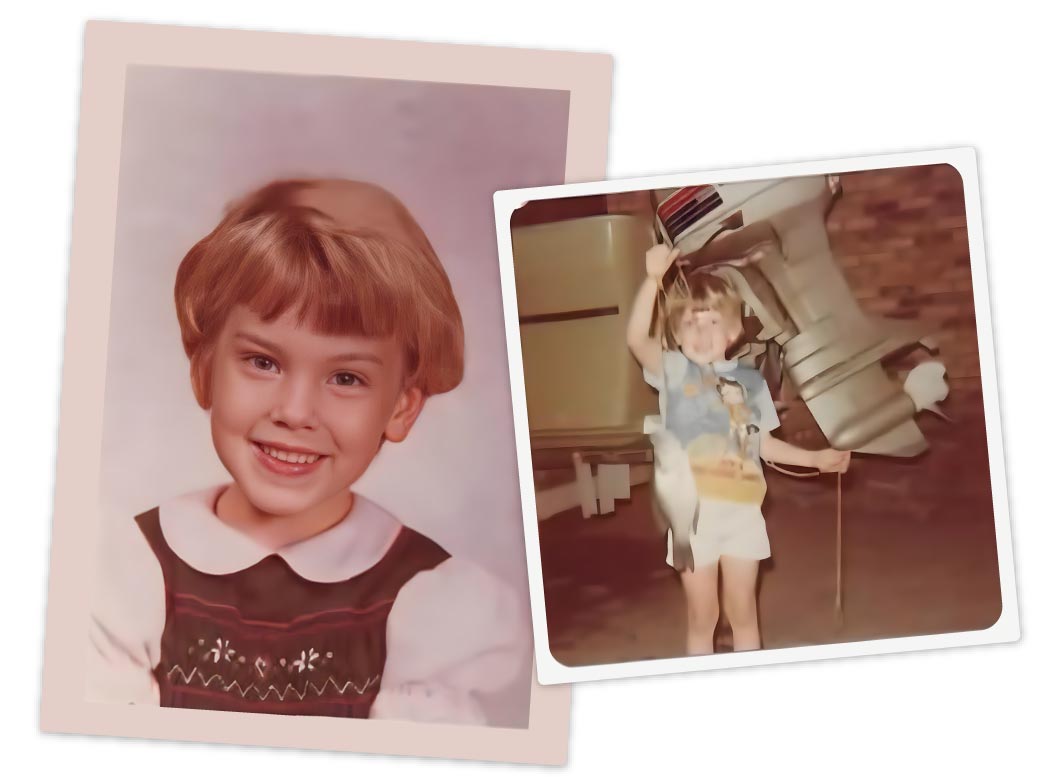
At one point, her mother even brought her to a psychiatrist. She didn’t think her daughter’s mental health was the explanation, but the family was desperate to help her. Kim left that visit with a prescription for an anxiety medication.

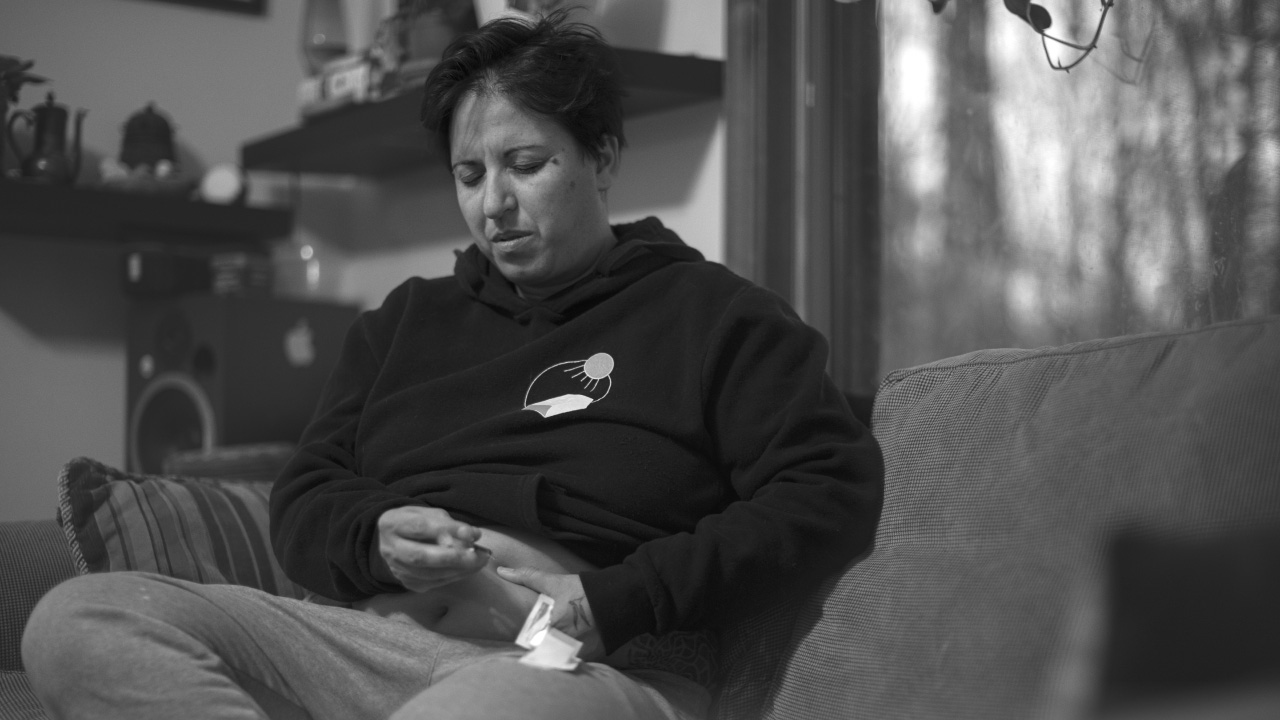
The turning point in Kim’s journey to a diagnosis came when she was in her 30s. She had a laryngeal swell – a terrifying and potentially life-threatening symptom that Benadryl failed to help – and went to the emergency room with her husband.
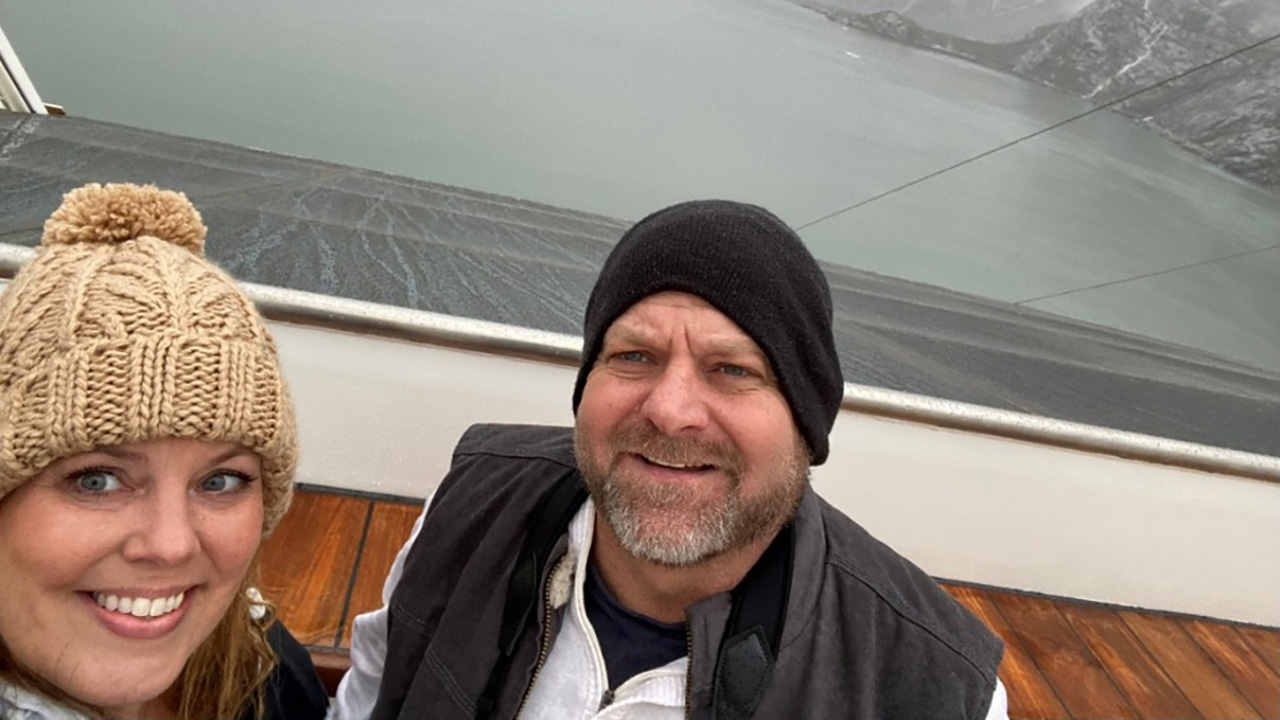
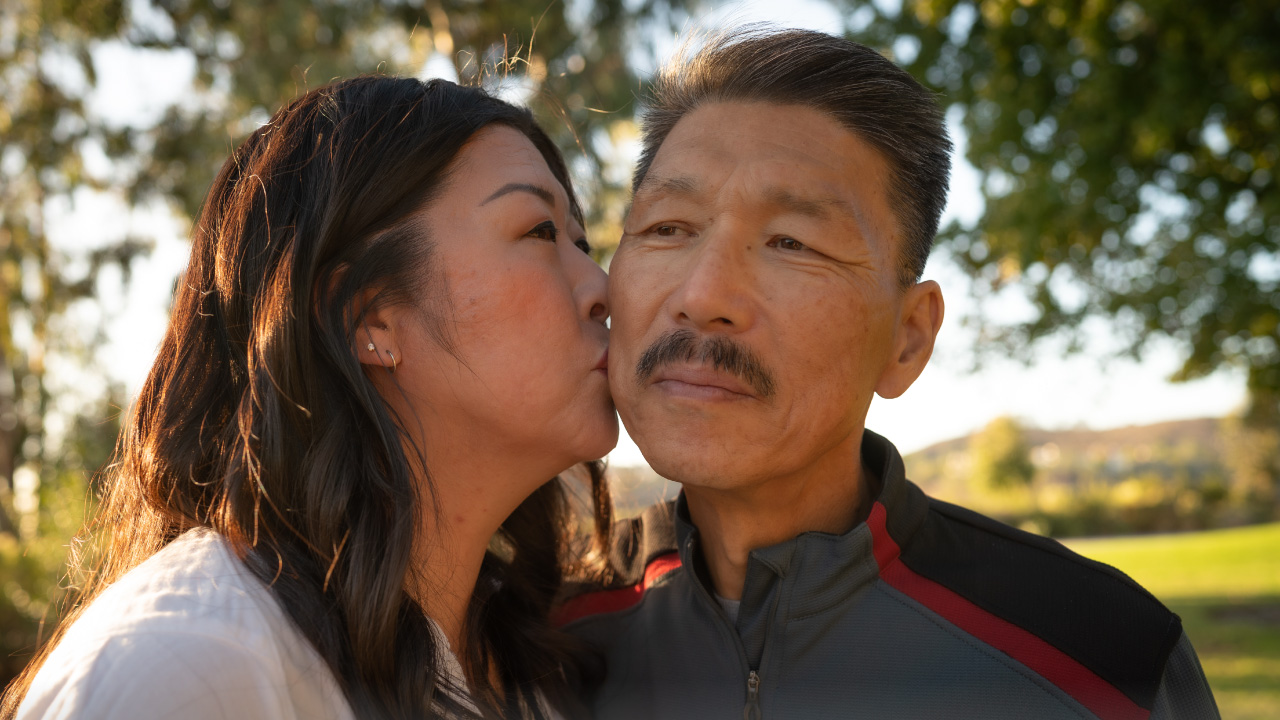
Kim and her husband, Brent

But the laryngeal swells kept recurring.

Over the course of two weeks, Kim visited the ER three times. Each visit ended the same way: temporary relief but no answers.

“They gave me Benadryl, watched me for a while, and sent me home,” she says. “By the third time, one of the doctors finally said, ‘It’s some sort of angioedema – but I don’t know what’s causing it.’”

That word – angioedema – was the clue Kim had been waiting for. Determined to understand what was happening to her body, she began researching on her own. One evening, she found information about hereditary angioedema, a rare genetic condition that seemed to fit everything she’d experienced. She also discovered that a nearby physician was conducting a clinical trial in HAE.

“I picked up the phone and called,” she says. “The nurse told me I probably didn’t have it, but I insisted on being tested.”

Two weeks later, the results came back: positive. Kim finally had an answer.

“It was the weirdest mix of emotions,” she remembers. “It was this moment of, I have an answer. And then right after that, Oh my gosh, I have an answer – and it’s a rare disease with no cure.”

By then, years of uncontrolled attacks had taken a toll. “I was really sick at that time,” she recalls. “I ended up going on disability for two years because I was having so many laryngeal and abdominal swells back-to-back. It was just constant.”

Still, the diagnosis marked a turning point. After decades of uncertainty, Kim finally had a name for what she was living with.

Getting a diagnosis didn’t mean the end of Kim’s struggles, however. It simply changed the nature of them. The physical danger of the unknown shifted into the emotional weight of living with an incurable lifelong condition.

“Once I finally got a diagnosis, the emotional toll shifted,” she explains. “It becomes more about the unpredictable nature of HAE. Am I going to be able to do things with my family? Am I going to be the one constantly disrupting plans because I’m still having breakthrough attacks?”
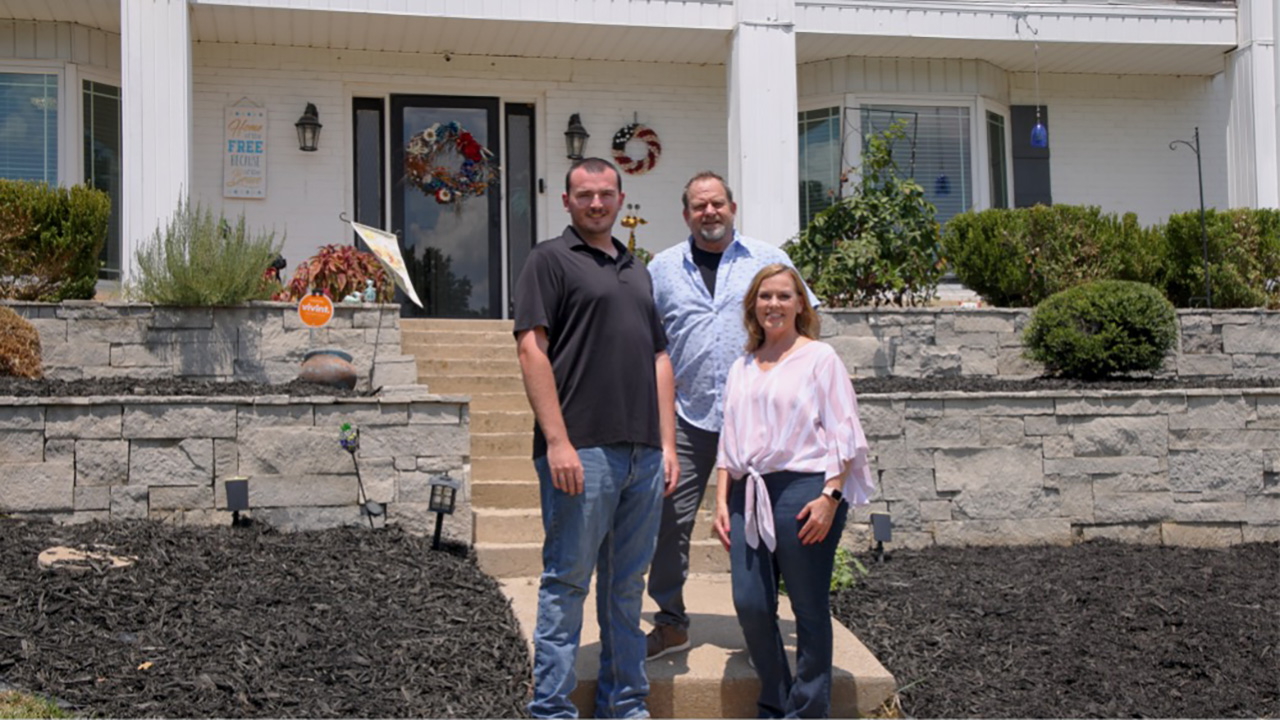
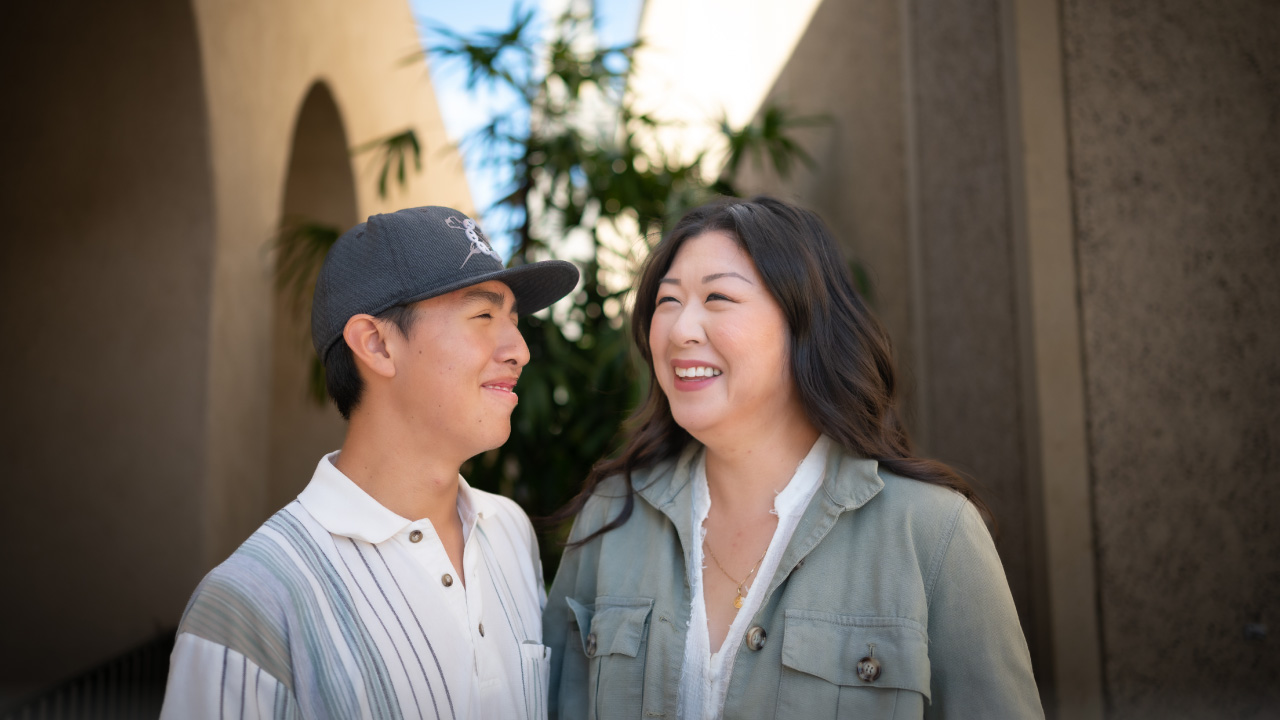
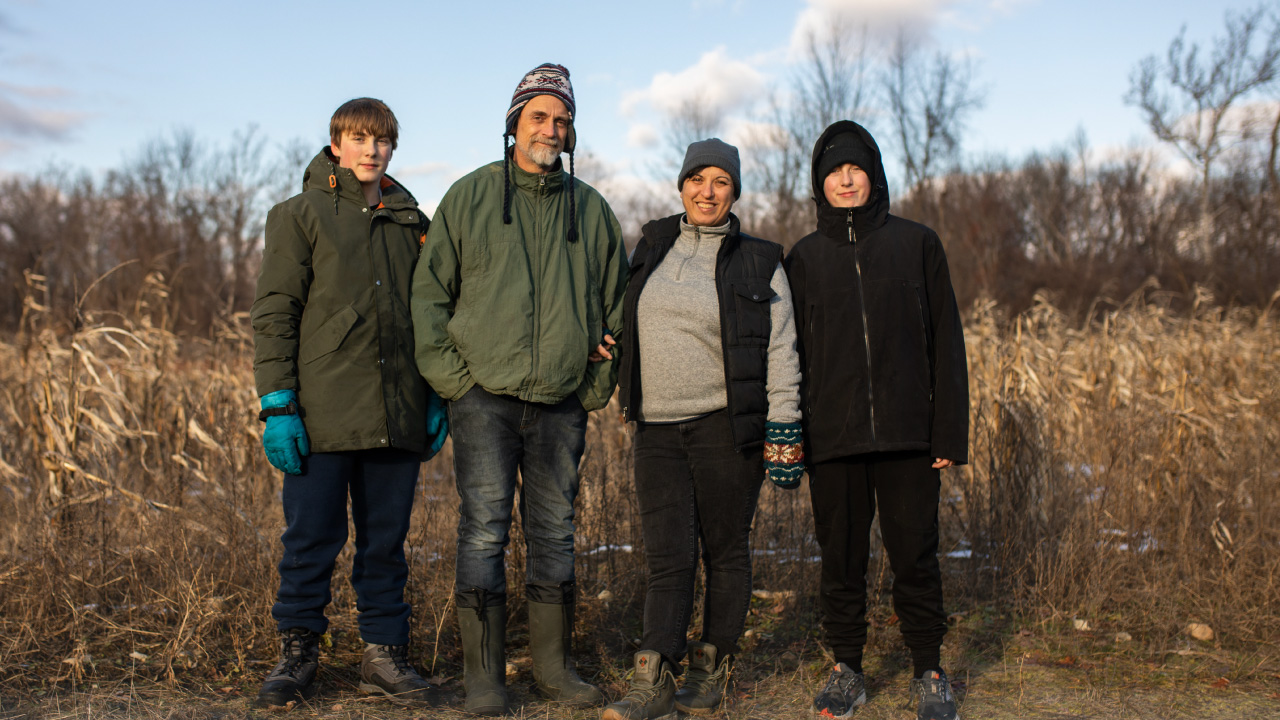
Kim’s son, Trevor, and her husband, Brent

The stories she tells paint a picture of how HAE affects every corner of life. She recalls an attack on a cruise ship in Alaska that forced her family to miss an excursion, and another on a beach in Hawaii that left her watching from the sidelines. “It impacts everything,” she says.

Beyond the physical burden, HAE carries a financial and psychological toll, involving constant negotiations with insurance, fear of medication shortages, and the ever-present worry of when the next attack will strike.

“It’s a terrible thing to have because you just don’t know when it’s going to hit, or how it’s going to hit,” Kim says. “The fear is always there—a tickle in your throat, and you think, ‘Do I have a cold, or is this a swell?’”

Today, Kim’s condition is more stable, but she remains vigilant. She’s been on eight different treatments and has learned to advocate for her needs at every step.

“I’m still having attacks. It’s not gone,” she says. “And so my pie in the sky hope is that we get to the point where we don’t have attacks, we don’t have to worry about attacks, you don’t have to be worried about the logistics of, oh my gosh, I just got denied again from the insurance company.”

Through every stage of her journey, Kim’s family has been her anchor – from her parents’ relentless search for answers when she was young to the unwavering understanding of her husband and son today. They adjust plans, offer support during attacks, and remind her that she isn’t facing HAE alone. Whether it’s staying behind with her when she can’t participate in an activity or making sure she has her medications close at hand, she says their patience and love have helped her live more confidently with a disease that is terribly unpredictable.

To Kim’s surprise – and relief – no one else in her family has been diagnosed with hereditary angioedema. Her son was tested twice, once as a child and again more recently with advanced diagnostics. “I finally feel confident saying he doesn’t have it,” Kim notes, “and that means he can’t pass it on to his future children.”
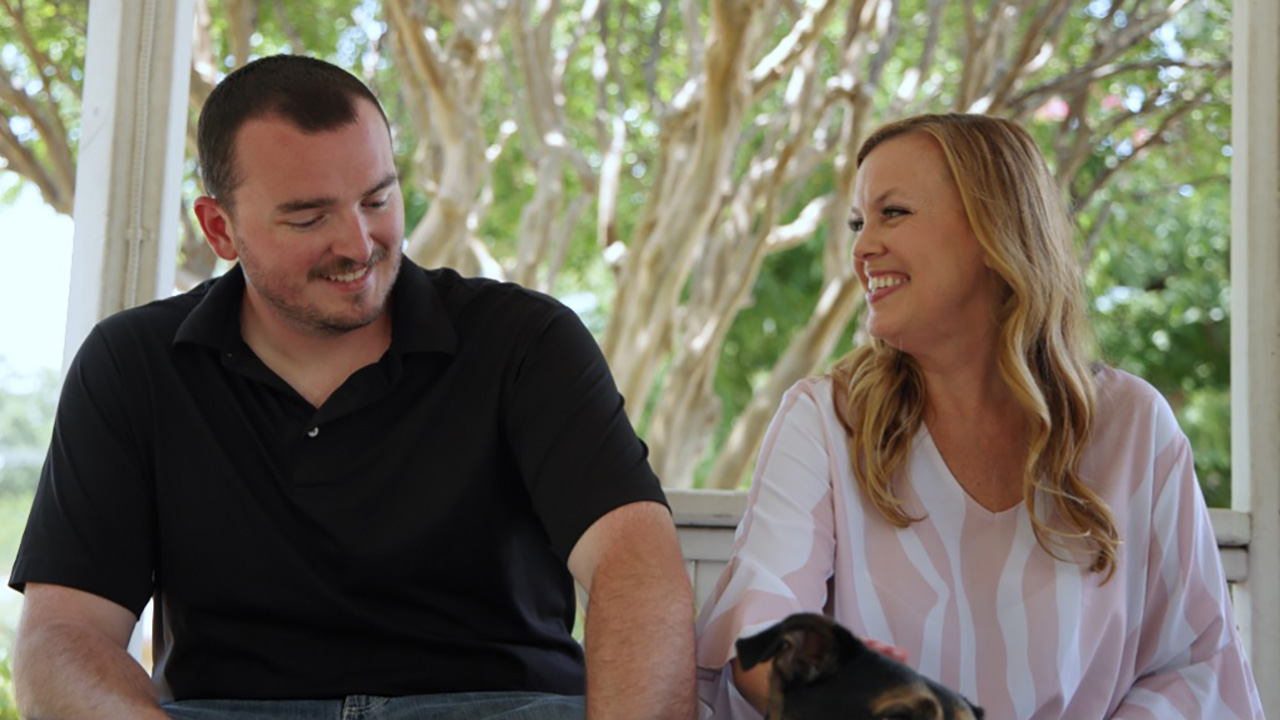
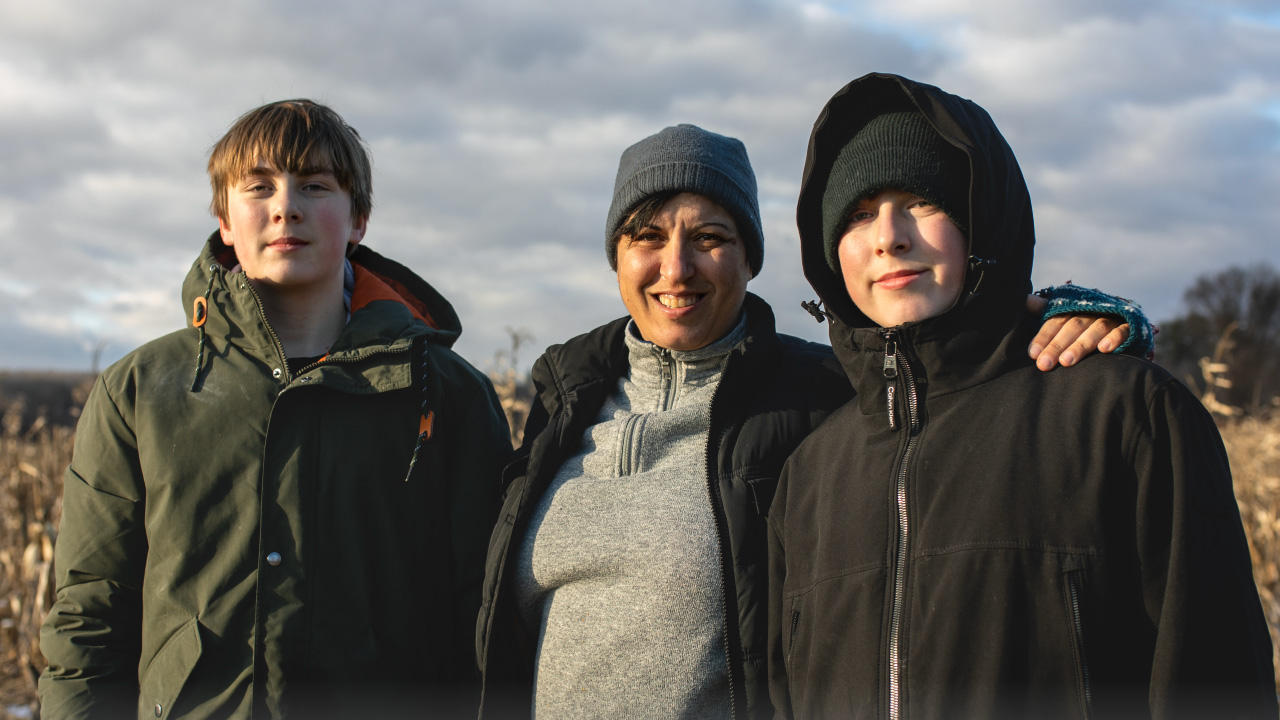
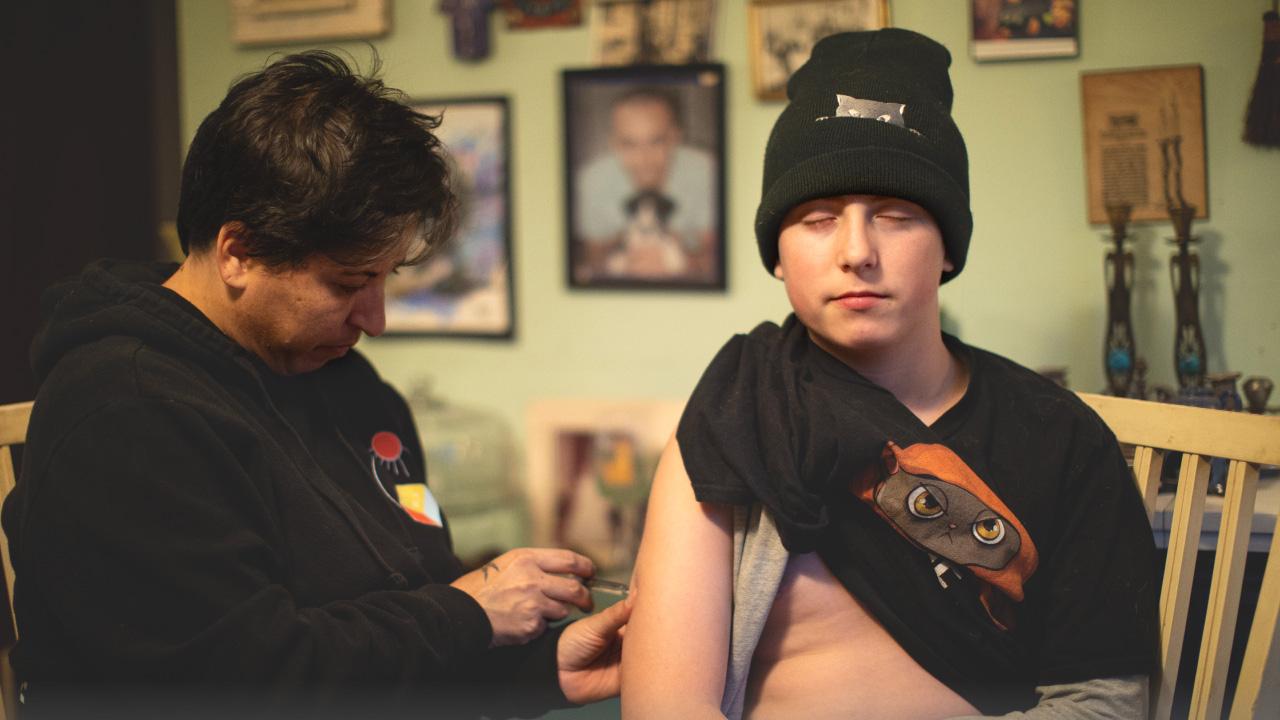
Kim, and her son, Trevor

Above all, Kim hopes her story helps others with HAE feel more understood.

“I want people to know they’re not alone,” she says. “You can still have a full life with HAE — but it’s also okay for us to want more.”
 

USHAE- 250010 v1.0 Dec 2025
Milton | Living with ATTR Amyloidosis with Cardiomyopathy

North Miami, FL

This individual is providing context about their experience living with ATTR-CM and is not commenting about an investigational therapy from Intellia Therapeutics.

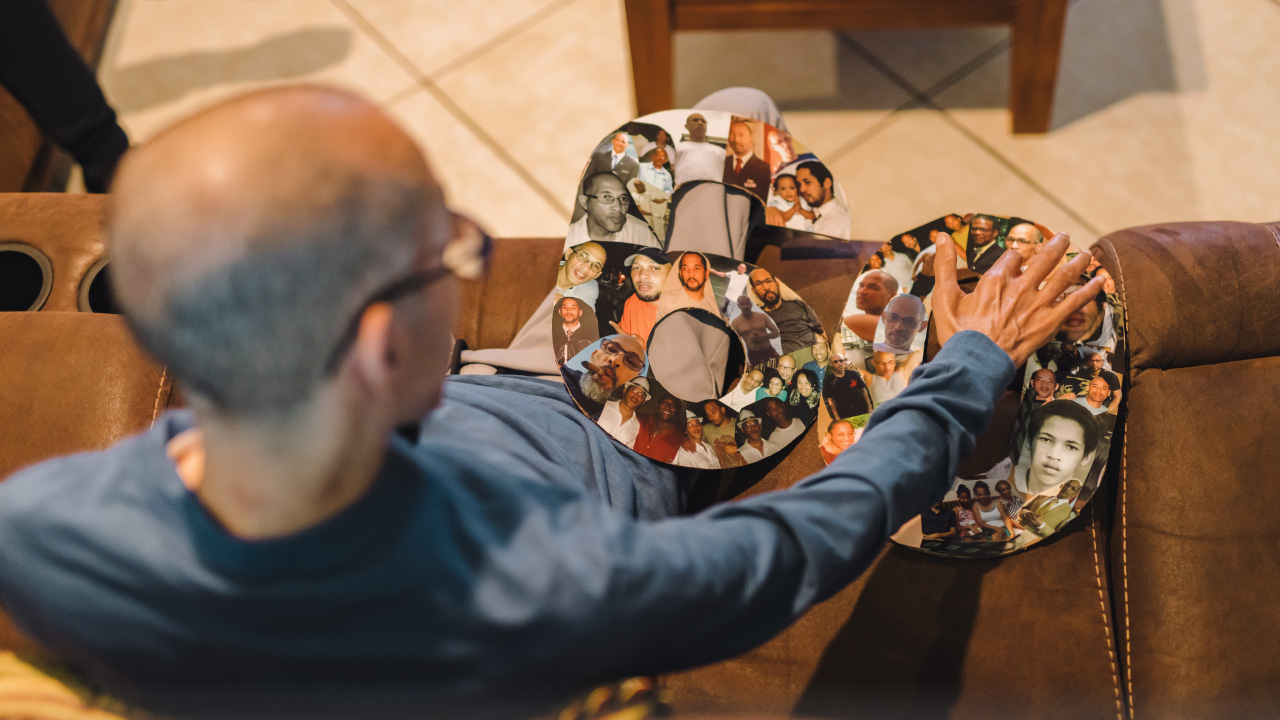
When I think about memories, I smile. My memories keep me going.

Milton recently celebrated his 60th birthday, a personal milestone, and a moment to reflect on his life and those he loves dearest. He was born in Kingston, Jamaica, only one month after the country claimed its independence from Britain. He later migrated to the U.S. as a teenager and eventually made a home in Florida, where he started a family. His two children, a son and daughter, are fully grown now, living on their own, and he became a proud grandfather seven years ago when his daughter gave birth.

He supported his family by working as a funeral director in Miami for more than 30 years. “I enjoyed working,” he says from an armchair at his current residence in North Miami. “I didn’t know how much I enjoyed it until I had to stop. Once you can’t do it anymore, it’s a problem.”

Nearly 10 years ago, Milton was opening the gate to the funeral home when he noticed a strange feeling in his hands: a “tingling” sensation which seemed unremarkable at first, but began to increase in frequency and pain. For someone who worked with his hands, it became a major hindrance. “It kept getting worse and worse,” Milton describes. “It felt like someone was cutting me with a knife from the inside.”

Additionally, Milton started to feel tired and sluggish at work, and would find himself simply exhausted, needing to lie down during the day to rest. What he didn’t know yet was that he was experiencing the onset of a rare hereditary disease.

Milton, living with ATTR-CM

Milton lives with transthyretin amyloidosis, or ATTR, a condition in which transthyretin (TTR) proteins become misfolded and build up in various parts of the body, impacting critical organs and the nervous system. “My heart is damaged by the disease, because the amyloids are deposited in my atrium,” Milton explains. “I get tired real easy, because my heart isn’t squeezing blood like it’s supposed to.”

This amyloid buildup has led to cardiomyopathy, a disease that prevents Milton’s heart from properly circulating blood throughout his body. Combined with polyneuropathy — the nerve-pain Milton was experiencing in his hands — the disease has forced him to retire. He once considered himself fit and healthy. He was an amateur bodybuilder for a period of time, but now, with his cardiomyopathy advancing, it is difficult for him to do physical activity.

It took several years to get a correct diagnosis, something Milton feels is due to a lack of disease awareness. “The biggest thing I’ve learned from this is that people need to be educated,” he says. After stepping back from work, Milton began losing weight rapidly. He was deeply concerned and pushed his doctors for real answers.

Milton, living with ATTR-CM

Sadly, doctors misdiagnosed Milton several times. At one point, he was told he had ALS (arterial lateral sclerosis) and only six months to live. In 2018, on the advice of his nephew (with whom he currently lives), Milton traveled to the Mayo Clinic in Minnesota. Physicians there did a genetic test for ATTR and diagnosed him with the condition. “It took them two days to figure it out,” he says. He also learned one of the genes responsible for ATTR can be traced back generations in Africa, and despite being rare, affects this population with greater frequency.

Milton had assumed there would be a medicine he could take but soon learned there were no curative treatments, only ones aimed at slowing  disease progression. Furthermore, it was difficult to get his insurance provider to cover the cost of the expensive medicine. “They recommended me for hospice instead,” Milton says in disbelief.

However exhausted Milton was, he continued to fight. “I have a desire to live,” he says. “I have a strong desire to enjoy the stuff I used to enjoy. Get back to life. Because when you’re healthy, you might not appreciate it, but when it’s taken away from you, it’s like being in a prison. That’s how I feel: like I’ve been in prison for the past 10 years.”

Milton, living with ATTR-CM

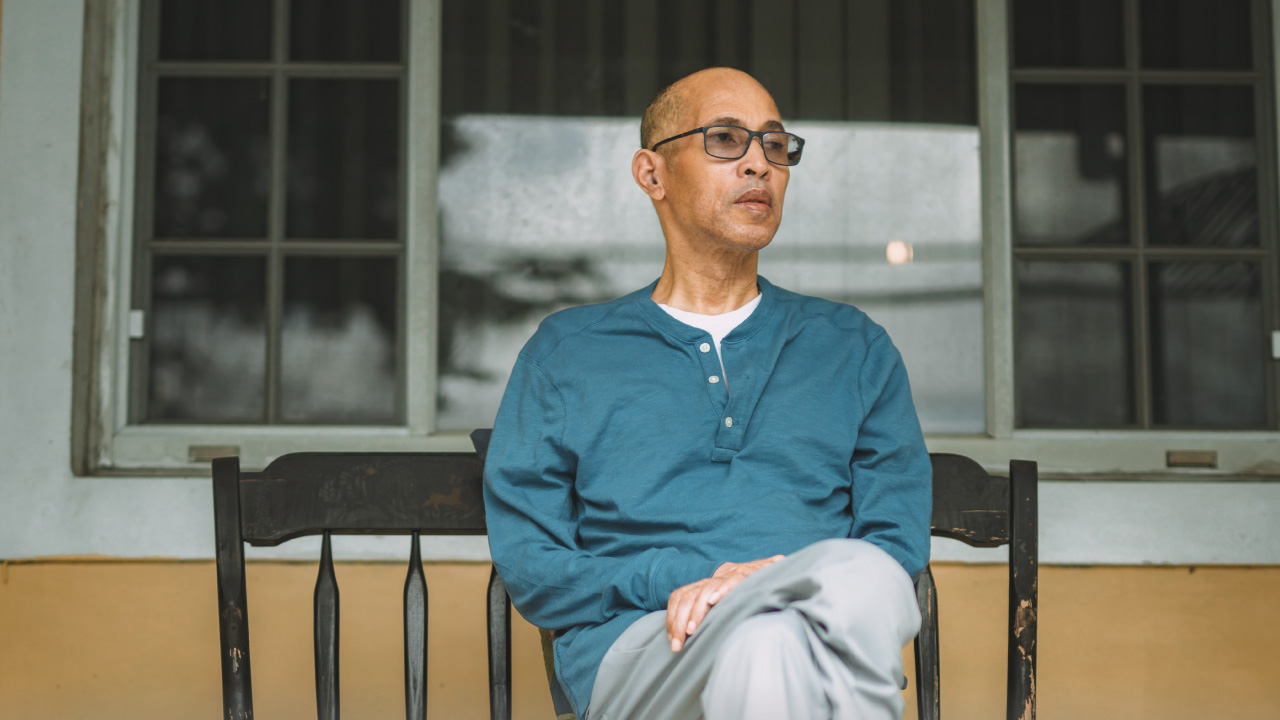
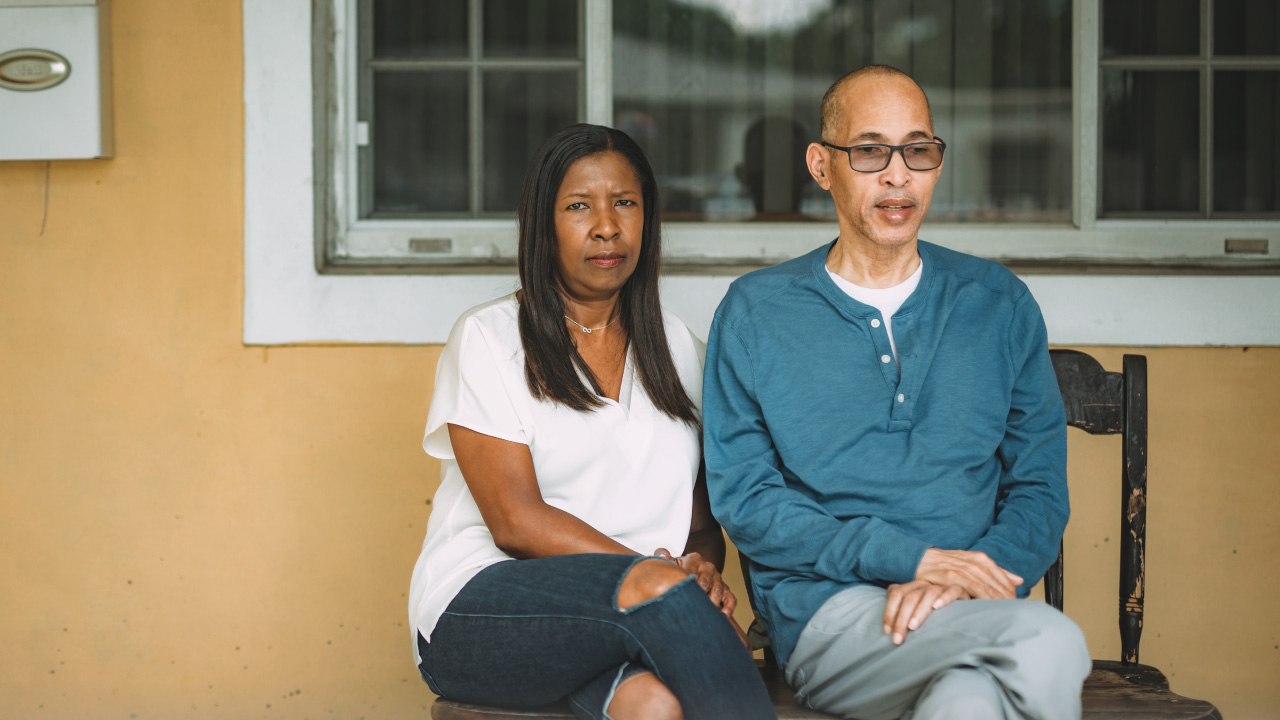
Debbie sits next to Milton on the bench of the front porch, talking with him about upcoming appointments. Her presence puts Milton at ease. Debbie has become an important caregiver and dear friend, helping Milton do things around the house and making sure he gets the best care possible. “She is my guardian angel,” Milton says. His appreciation for her clearly stretches beyond words. “Sometimes I don’t know how she does it.”

Milton eventually convinced his insurance to cover costs for the infusion, which he receives every three weeks. Debbie takes him to his appointments at the hospital and monitors his condition at home afterwards. Although the treatment improved Milton’s outlook, he was later confronted with yet another health challenge.

In 2022, Milton was diagnosed with Stage III colon cancer and underwent surgery to remove part of his colon. Soon, he will start chemotherapy. “Now I’m fighting on two fronts. I’m at war… I don’t want to be in a wheelchair. I don’t want to be in the bed, so I keep moving and moving.”

Milton’s analogies to fighting a war with his health are likely a result of the years he spent in the U.S. Army, serving overseas after graduating high school in the Bronx. The discipline and resilience he learned in the Army live on in his approach to managing his health. Milton uses his time to research new medicines that will hopefully help him and others in similar situations.

When Milton learned about CRISPR and gene editing technologies, he saw hope for the first time in a new treatment that could actually address the root cause of the disease. “You need to go to the DNA level,” he says. He cannot over-stress the importance of this work, and what it means to him.

Now, Milton fights not only for his life, but also for others who find themselves in similar situations due to ATTR amyloidosis. “I would like to create awareness of this disease. Even if the treatment doesn’t get to me in time, I don’t want anyone else to go through what I went through for the first five years. If people have symptoms, I want them to be aware that there is a treatment.”

Ultimately, these developments give Milton hope in a situation that often feels hopeless. “When I think about memories I smile,” he says. “My memories keep me going.”

He takes one day at a time and counts small victories when he can. This determination rises from his desire to get back to living. “I would love to take my grandson to a museum. I would love to drive a Mustang. I would love to just drive to places I love. Just live my life. That’s my desire.”

Milton, living with ATTR-CM

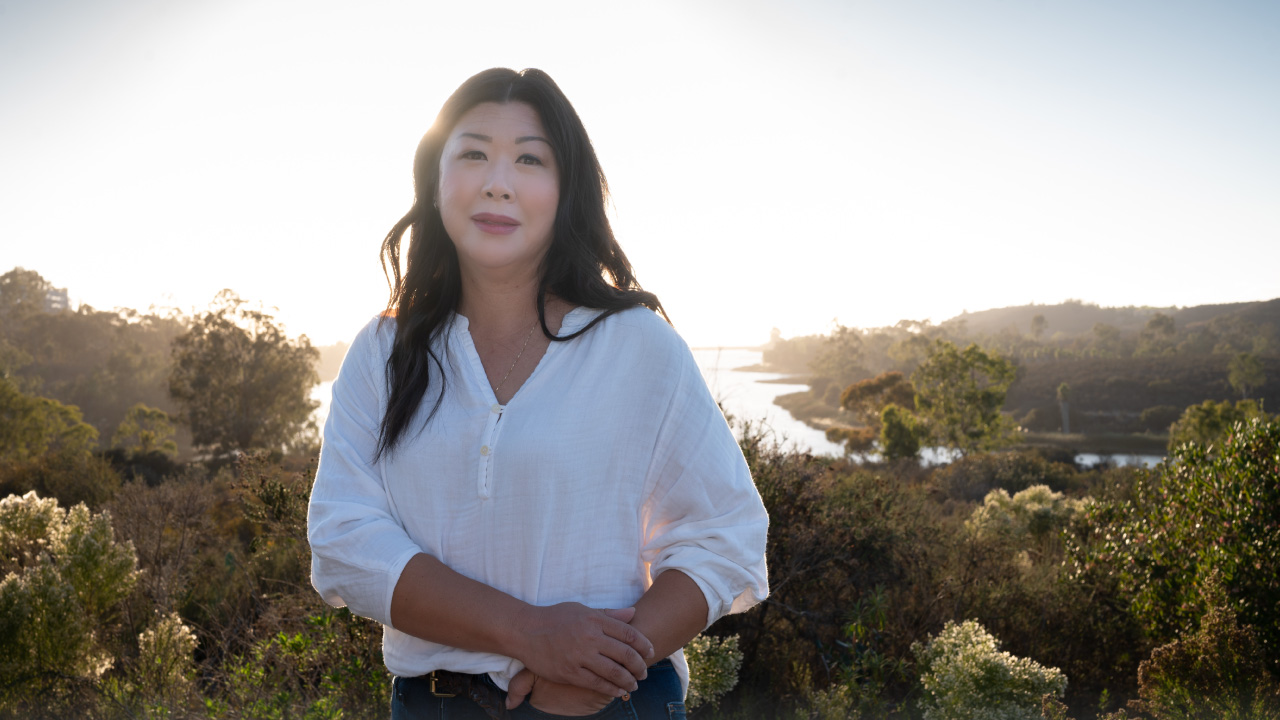
Nancy | Living with ATTR Amyloidosis with Polyneuropathy

San Diego, CA

This individual is providing context about their experience living with ATTRv-PN and is not commenting about an investigational therapy from Intellia Therapeutics.

Nancy, living with ATTR-PN

I look at my dad and think, ‘Is that what’s going to happen to me in the future?’

Perseverance was ingrained in Nancy from an early age and has allowed her to fill the role of caretaker, single mother and nurse. “Nursing is a physical job,” she says. Although the long shifts and emotional intensity has not scared her away, she does worry sometimes about the toll it takes on her body.

For years, Nancy struggled with carpal tunnel syndrome and nerve pain in her arms, hands, and wrists. “I feel like as someone dealing with a chronic illness, I learn to power through,” Nancy says. “I can’t just stay in bed all day. Trust me, there are days I would love to do that, but I don’t have a choice.”

While attending nursing school in her hometown of San Diego, Nancy moved back in with her parents. Nancy and her father, Il Hyung, not only share a home but also a chronic health condition: transthyretin amyloidosis, also known as ATTR amyloidosis. This rare, genetic condition is caused by a buildup of misfolded transthyretin (TTR) protein. This buildup can occur in various parts of the body and cause a range of symptoms affecting the nervous system or other organs. Nancy’s primary symptom is polyneuropathy, which manifests as pain and discomfort in her extremities.

Transthyretin also builds up in the heart, meaning Nancy may have cardiac complications as she ages. Because of her father, this is something she understands all too well.

A little over a year ago, Il Hyung received a heart transplant, the only viable option for his failing heart. “I look at my dad and think, ‘Is that what’s going to happen to me?’”

Nancy, living with ATTR-PN

Il Hyung was fortunate enough to find a donor match at the age of 67. Out of aIl Hyung’s six siblings, only he and one brother are still alive — a legacy of cardiac-related deaths likely due to undiagnosed ATTR.

“My relationship with my father has evolved,” Nancy explains. “I’m not only his daughter, but also one of his caregivers.” This bond has strengthened through the many challenges since diagnosis, including receiving infusions together.

For years, Nancy suspected something genetic was affecting her father’s side of the family but didn’t associate it with what was going on in her own body. “Even within the same family, our experiences are different,” she says. “I had occasional heart palpitations, which were unnerving, but they didn’t seem anywhere near as serious as my father’s cardiac issues.”

She reached out to a specialist and decided to get tested for ATTR. When Nancy finally received a diagnosis at age 35, she realized all the symptoms from the last 10 years were not random but related to a genetic condition.

Nancy and Il Hyung were diagnosed in spring of 2019. It did not come as a surprise. “It would have surprised me more if I didn’t have it,” Nancy acknowledges. Their doctors informed Nancy and Il Hyung about newly available treatments. However, her mind couldn’t help but think about the next generation.

“My immediate thought was I need to get my son, William, tested,” says Nancy. She met with a genetic counselor, who laid out the options. “I learned if he did have ATTR, he wouldn’t qualify for treatment until he was 18,” says Nancy. She opted to wait. For Nancy, this difficult decision was influenced by her desire to integrate her rare disease into her life without letting it entirely redefine her. “I want to feel like: Yes, I have this disease — but I don’t want it to be my main focus in life.”

Nancy, living with ATTR-PN

Regardless of William’s genetics, he may have more treatment options and access to earlier interventions. “It’s amazing that there are new therapies out there,” says Nancy. “I am hopeful there might be a cure for people like my son in the future.”

With this knowledge, William’s love and admiration for his mother shines through. The pandemic and subsequent lockdowns meant William, Nancy and her parents all occupied close quarters for some time. It was then he stepped up to help. “My son is such great support for my mental health,” Nancy says. “He can tell when I’m at my limit, burnt out or pushing myself too much.”

Upon his request, they head out to Balboa Park together. The iconic San Diego park provides plenty of small attractions often overlooked by tourists. Despite the challenges of the last few years, Nancy has opened a new chapter in her life, putting her profound personal experience to good use as a nurse. “A large part of what makes me want to be a nurse is compassion and providing authentic care to help improve the lives of others,” she says. “I’ve been a patient in the hospital before. I understand what that’s like.”

Nancy, living with ATTR-PN

Shanna, Oren and Damian | Living with Hereditary Angioedema Type 1

Shanna | they/them/theirs | Leeds, MA

This individual is providing context about their experience living with HAE and is not commenting about an investigational therapy from Intellia Therapeutics.

There’s so much uncertainty with rare disease — the best treatment is your own confidence in making the decisions that are right for you. — Shanna

Shanna, Damian and Oren sit cozily on the sofa surrounded by purring cats. The home Shanna and their husband, Tony, have curated is rich with the family’s personal touch: photographs and artwork cover almost every inch of wall space. Candelabra, sculptures, heirlooms and plants grace the shelves and tables that surround them.

Shanna, Oren and Damian | Living with HAE Type 1
Oren, Shanna and Damian | Living with HAE Type 1

The atmosphere is one of deep familiarity and comfort. “Knowing how to provide comfort has become crucial and a cornerstone of our home life,” says Shanna, who was diagnosed at the age of 16 with hereditary angioedema (HAE) type I, a rare genetic disease Shanna inherited from their father, and has passed onto their teenage twin sons.

People with HAE carry an altered gene that controls the C1-inhibitor protein, producing a reaction that causes different parts of the body to swell. These attacks are often severe and can be fatal should the mouth or throat swell shut. While these episodes can be spontaneous, Shanna and the boys live with a hyper-awareness of what they know can trigger their recurrent swelling.

Shanna, Oren and Damian | Living with HAE Type 1

Stress and anxiety are among some of the more common triggers, but Shanna recalls from their adolescence spent in Jerusalem where at the age of 11, they noticed swelling in their feet after a picnic in the park. “It kept on happening every couple of months,” Shanna recalls. “I was an active child, I did ballet. I was a studious middle schooler, writing a lot, and sometimes my hands would swell.”

As is often the case with HAE, physical exertion or prolonged use of the extremities triggered Shanna’s earliest childhood attacks, when it was second nature to be active and outside. HAE attacks are commonly mistaken for severe allergic reactions. In Shanna’s case, every doctor but one was baffled as to what was causing their symptoms. After more than four years of visiting different allergists in Israel who could not identify the root cause of Shanna’s symptoms, a doctor, who had some knowledge of the rare condition, ordered a blood test, mainly to rule out HAE as a possibility. That same day, Shanna was diagnosed with HAE type I.

“I became my own patient advocate from a very early age, and I think that changed the course of my life,” says Shanna. Their ability to speak up for themself and for others stems from experiences convincing their parents, doctors — and on one memorable occasion, the Israeli military — that their condition and its symptoms are real and debilitating.

This trend has continued for Shanna, Damian and Oren, whose lives are shaped by the disease they carry. “Having the right job with the right kind of insurance and living close to a hospital has always been a part of our life,” reflects Shanna. “Sometimes I think HAE doesn’t impact my life right now [because of medication] — but it does. All our decisions are based on access to health care.”

After the twins were born, Shanna was able to recognize and help diagnose the symptomatic red splotches that began to appear on their skin at six months, indicative of an HAE attack: “It took me less than a minute [to realize that] if none of these pediatricians know what’s causing this rash, it must be HAE.”

Shanna’s diagnosis was unknowingly passed down from Shanna’s father, who suffered two HAE attacks in his lifetime — both at the age of 40, the same age he was diagnosed. Shanna’s brother and sister inherited HAE from him as well, and while not as severely affected by the disease, they both look forward to potential new treatment options.

Shanna, Oren and Damian | Living with HAE Type 1

Oren and Damian have participated with their mother in numerous studies with various therapeutic goals. Although they are young, their thoughts are often preoccupied with the future, expressing if or when they have their own children, they would consider gene editing.

Oren and Damian have experienced frequent abdominal attacks, triggered by stress, physical activity, or even slight variations in their diet. They recall different camping trips and beach vacations interrupted or cut short by episodes of acute stomach pain.

Shanna, Oren and Damian | Living with HAE Type 1

Their access to effective medication offers a striking contrast to Shanna’s own adolescence and early adulthood.
“Before I was on this medication, I would wake up with intense anxiety and fear. Any time I would have a sore throat, I thought I was going to die,” Shanna confesses. “There were years of thinking that if I sleep by myself, I’m not going to wake up.”

The family’s anxieties are tempered by gratitude for their current infusions, which allow both Shanna and the twins to experience fewer and less severe swelling episodes. They share hope that continued research into HAE could further improve the quality of life for future generations.

Their tight-knit family paints a vibrant picture of the importance of support systems. “One thing that HAE has brought to this family is we’re very much in tune with each other’s health conditions — Tony is very much a caregiver. The boys speak to doctors very well; they can explain their pain.” Shanna administers the prophylactic medication to the boys monthly, with the infusion sites varying between the arms or stomach. Shanna often self-administers, all from the comfort of home.

The boys play with their new VR set after Shanna gives them the injection. Shanna grimaces while preparing their own: “Always better than an IV. That’s what I keep telling myself,” Shanna murmurs. “The fact that they can just run around afterwards — it’s just amazing.

Shanna, Oren and Damian | Living with HAE Type 1

Carlos, David and Vince

These individuals are providing context about their experience living with ATTR and are not commenting about an investigational therapy from Intellia Therapeutics.

Consider for a moment how you met your closest friends. Bonding over a common interest, like rooting for a favorite sports team or enjoying weekend excursions together, is how we naturally form alliances and friendships that sometimes last decades.

But imagine a bond that has been forged through a far more serious commonality – a rare disease that can be life-threatening.

Carlos, David and Vince became friends and colleagues because they are all living with transthyretin amyloidosis (ATTR). Their paths had crossed during several chance encounters at doctors’ appointments and disease community events.

Together, they now run the U.K. ATTR Amyloidosis Patients’ Association (UKATPA), a nonprofit organization supported by the consultant physicians of the U.K. National Amyloidosis Centre, also known as the “NAC.”


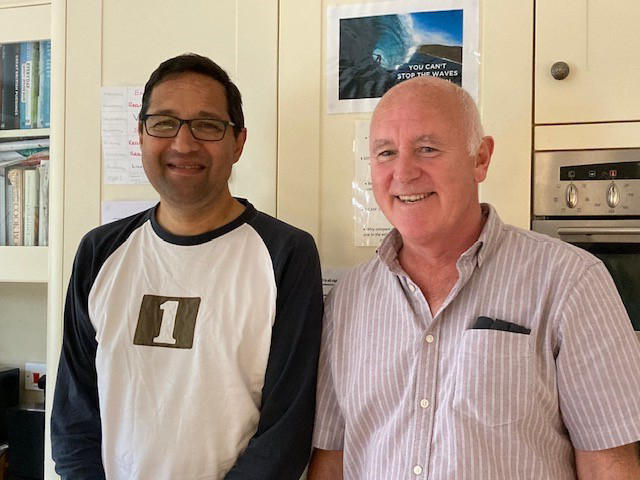
Vince (pictured left) and David (pictured right) meet every Sunday with Carlos to discuss the latest ATTR research and new ways to create awareness and promote amyloidosis disease education

Launching UKATPA with a Purpose

After attending amyloidosis gatherings for years and meeting fellow ATTR patients, Carlos, an orthopedic surgeon, observed in 2017 that new dedicated treatment options were emerging for a disease that had literally no targeted medicines for most of his life.

“It felt like it was the right time to create UKATPA,” he remembers. “People had the disease, but there had been no treatment. In this moment, I knew the patient’s voice needed to be pushed forward.”

In short order, Carlos recruited David to be the fledgling organization’s secretary and Vince as treasurer. Their mission was clear: Educate, support and empower patients and doctors, while advocating for timely and effective diagnosis and treatment.

“The biggest surprise to us was how many people have amyloidosis and don’t have anyone to talk to,” says David. “They’re alone, and we want to find them.”

“Educating people is our objective,” adds Carlos. “Educating patients is not difficult once you’ve found them. They’re very keen, and it’s very gratifying for us to empower the patient.”

Every Sunday, they meet to discuss the latest ATTR research and new ways to create awareness and promote amyloidosis disease education. Beyond supporting patients, UKATPA has established relationships with stakeholders ranging from genetic counselors to government regulators and biopharmaceutical companies.

Empowering Patients, Yes, But What About Doctors?

Empowering patients is at the core of UKATPA’s work. On their website, patients will find extensive information about amyloidosis, support groups and upcoming community gatherings.

However, Carlos, David and Vince were surprised to learn that another key group needed resources, too: Doctors. “The chances of a general practitioner diagnosing amyloidosis in their career is rare,” says Carlos.

“As soon as you educate doctors, they’re more intentional about finding the cause. If they know there’s a therapy, doctors are more likely to investigate, diagnose and treat the disease.” – Carlos

David adds, “Sometimes we find patients on treatments that weren’t even relevant, just because there are so many other illnesses.”

UKATPA aims to change that by bringing specialists connected to the amyloidosis community, such as neurologists and cardiologists, as well as nurses and other healthcare professionals, together with patients. “What we need to do is build clinicians’ networks and make them more aware,” declares Vince.

Championing Both the Present and Future Amyloidosis Community

Although Carlos, David and Vince are working hard to educate and build resources for the present-day amyloidosis community, they recognize the opportunity at hand to positively impact future generations.

“We worry about this disease not just for ourselves, but also for all the relatives we have,” says Carlos.

“Between my brother, sister and me, we have 16 children and grandchildren, of whom potentially eight will get the disease,” posits David. “It’s not a rare disease in my family; it’s endemic. To me and all patients, it is very challenging that we have passed something on to our families.”

The UK has a reputation for expertise in innovative medicines, which has led to a strong infrastructure for supporting patients with rare diseases like ATTR. “We’re very lucky in this country because we have a routine of approving new drugs to help patients,” cites Vince.

Carlos, David and Vince believe that UKATPA has an important role to play in continuing to bring about change – not only for ATTR, but also for the entire rare disease community.

“Two years ago, this was a disease that had no real treatment. Now, there are several therapies, and potentially, Intellia’s candidate may make the disease history,” David muses.

“We love collaborating and are excited by game-changers, like Intellia,” says Carlos.

Pam

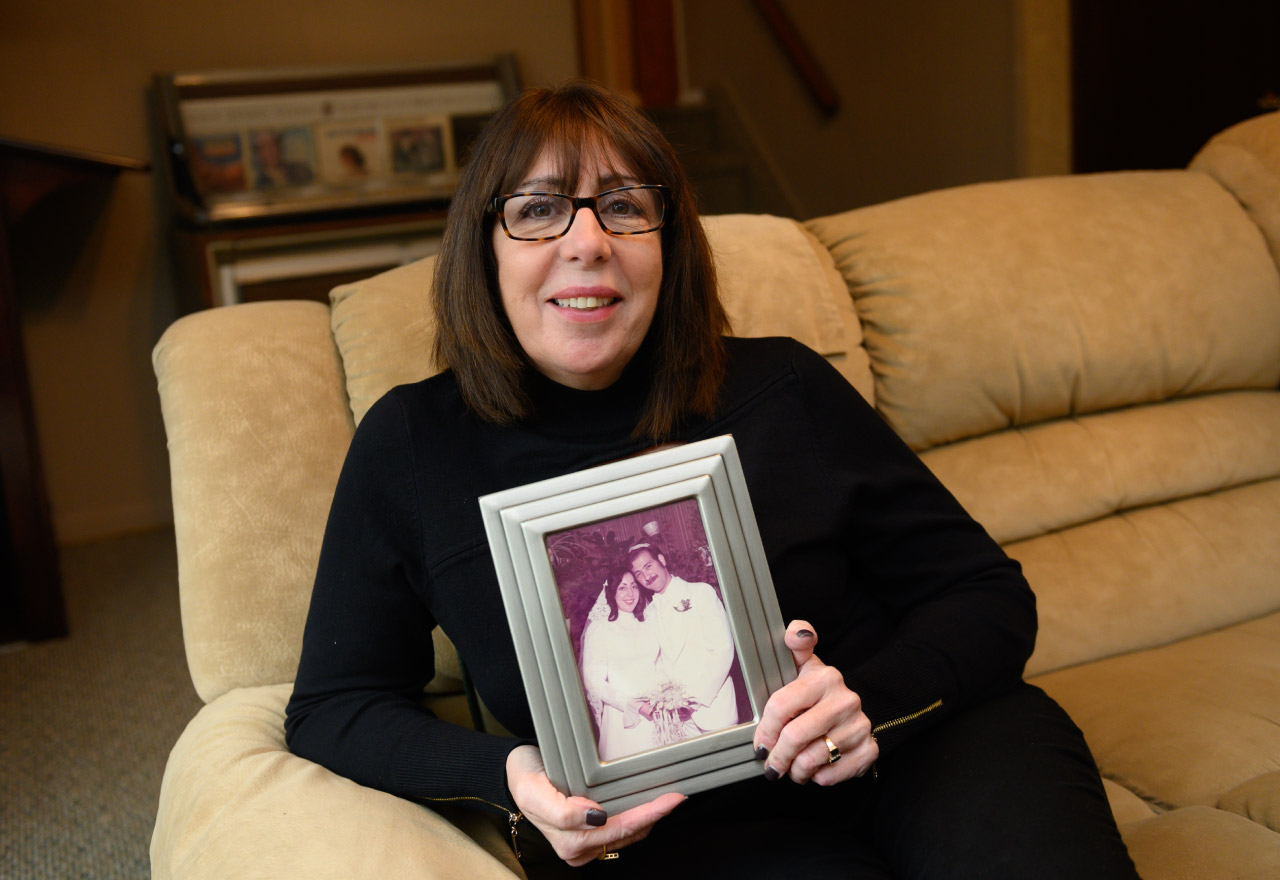
Pam remembers the exact moment Benny told her he loved her for the first time. The 1974 hit, “I Honestly Love You” by Olivia Newton John, was playing on the radio as they sat in Benny’s navy blue Camaro.

“He told me, ‘Listen to this song.’ And that’s how he told me he was in love with me,” Pam says. They would be married four years later, in 1978.

Acute myeloid leukemia (AML) patient story
Pam remembers the exact moment Benny told her he loved her for the first time.

They settled in Edison, NJ, and built a life together, going on to be parents to three wonderful children, two sons and a daughter. Pam still lives in that house, now filled with mementos from their life together – a working antique juke box, a free-standing wooden phone booth and a Bobby Orr pinball machine.

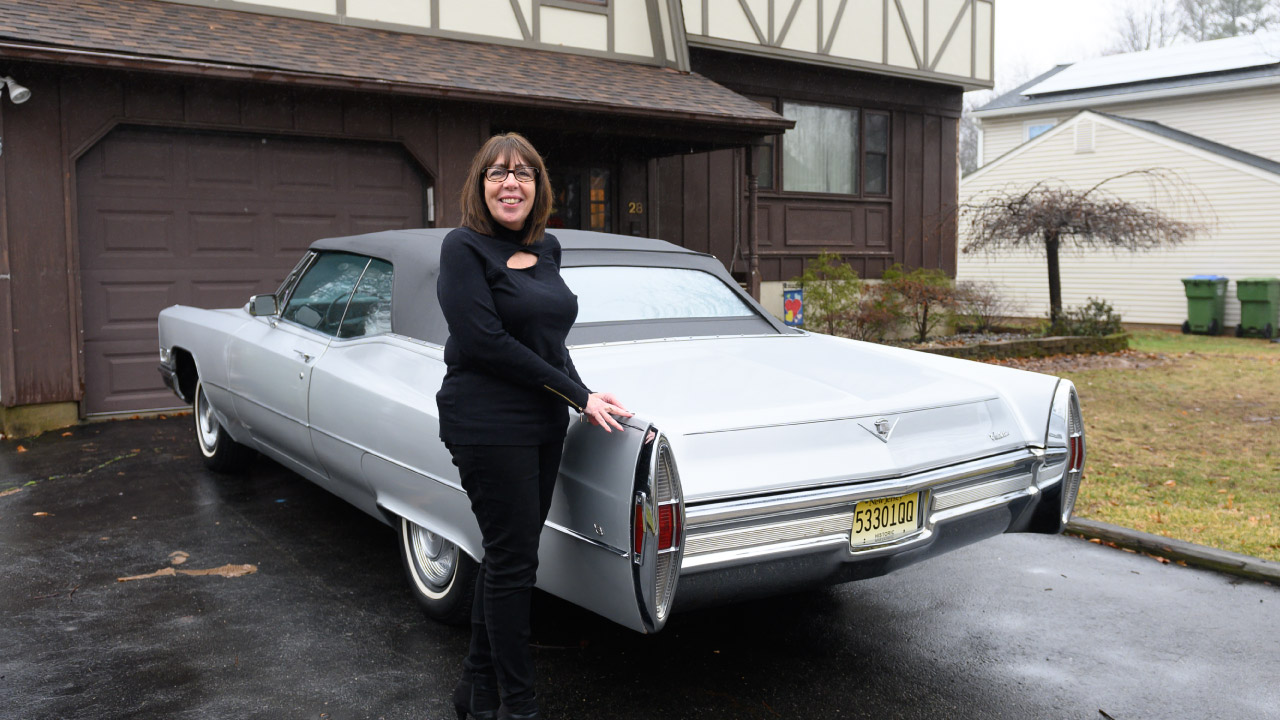
Benny was a man of eclectic interests. Pam would come to know him as an antiques enthusiast, including vintage cars. He later gave a makeover – from the inside out – to his vintage 1968 Cadillac convertible (pictured).

Acute myeloid leukemia (AML) patient story
Pam keeps Benny’s prized vintage 1968 Cadillac in pristine condition to honor his passion for life.

Futures Forever Changed

Pam and Benny were life partners, and she thought they would grow old and enjoy grandparenthood together. That all changed during Benny’s regular checkup in the fall of 2006, when his doctor noticed he had an elevated white blood cell count. Benny was referred to a specialist, but with no physical symptoms evident, doctors decided the best course of action was continued careful observation, based on his symptoms at the time.

Benny began to have night sweats. By the fall of 2012, his night sweats had increased in frequency, his weight had started to decline and he had developed enlarged lymph nodes – tell-tale signs of chronic lymphocytic leukemia (CLL). Many people with CLL have no early symptoms, but his doctors now had a definitive diagnosis and decided he needed more aggressive treatment for his CLL.

Benny had a way of making everything OK. I miss his smile.

At that point, Benny began doing chemotherapy once a week. It was around this time that Pam started keeping a binder, where she furiously scribbled notes from each doctor’s visit.

The terms Benny’s doctors used were sometimes complicated, and she recalls how challenging it was to understand what this foreign jargon meant. She relied on explanatory literature from patient groups to help translate the jargon she had scrawled in her binder and to understand Benny’s disease.

“Kindness from our family and friends and their thoughtful caring gestures got me through,” Pam says.

The Call

Pam and Benny adjusted to a new normal as the next year rolled around. Then, in the spring of 2014, Benny got a call one day from his doctor telling him that his white blood cell count was no longer rebounding in response to chemo.

He needed to go to the hospital right away. There, the doctors found that Benny’s CLL was now complicated by a new diagnosis of acute myeloid leukemia (AML). AML is a very aggressive blood cancer that can occur in a small percentage of patients after treatment for CLL.

His health deteriorated rapidly, and he never came out of that hospital, passing away a few short weeks later, over Memorial Day weekend.

As it turns out, Pam and Benny’s second grandchild was born in that same hospital during this time, several floors beneath where Benny spent his last few weeks.

“I remember going up and down that elevator,” Pam recounts. “What an emotional roller coaster!”

Although Benny only got to meet his first grandchild, Pam knows that he would be proud of his family. Due to Benny’s illness, their daughter changed her major from teaching to medical field studies. And, one of Pam’s daughters-in-law, Stacey, works at Intellia Therapeutics alongside researchers who are developing next-generation engineered cell therapies for AML and other difficult-to-treat cancers.

New photos that include Stacey’s son, Pam and Benny’s third grandchild, now line the walls of Benny’s home in New Jersey. She and her family are building new memories every day, and have faith that scientific advances, like Intellia’s genome editing work, may someday stop AML.

Genome editing is the future. Although it didn’t come in time for Benny, maybe it can help someone else someday.


Bill and His Wife, Maura

This individual is providing context about their experience living with ATTR and is not commenting about an investigational therapy from Intellia Therapeutics.

Bill knew he had the mutation that can cause accumulation of misfolded transthyretin protein, which affects the nerves, heart, kidneys and eyes. Indeed, he had watched his own father suffer in his later years from this devastating disease, transthyretin (ATTR) amyloidosis.

So, when he was in his 50s, Bill was not surprised when he started noticing carpel-tunnel-like symptoms in his wrists.

“I knew,” he says. As a practicing pediatrician with a thriving practice just outside New York City, Bill was reticent to accept the implications of his amyloidosis diagnosis.

Accepting Diagnosis

As his health declined over the next couple of years, Bill was forced into an early retirement from the career he loved. He began to require a wheelchair due to sensorimotor peripheral neuropathy, a condition where the nerve cells become damaged.

Bill and Maura, his wife of more than 40 years, went in search of the medical care he now needed and found specialists up in Boston. With their three children grown, Bill and Maura permanently moved to their vacation home in the rural Berkshires of Massachusetts.

Patient with transthyretin amyloidosis (ATTR)
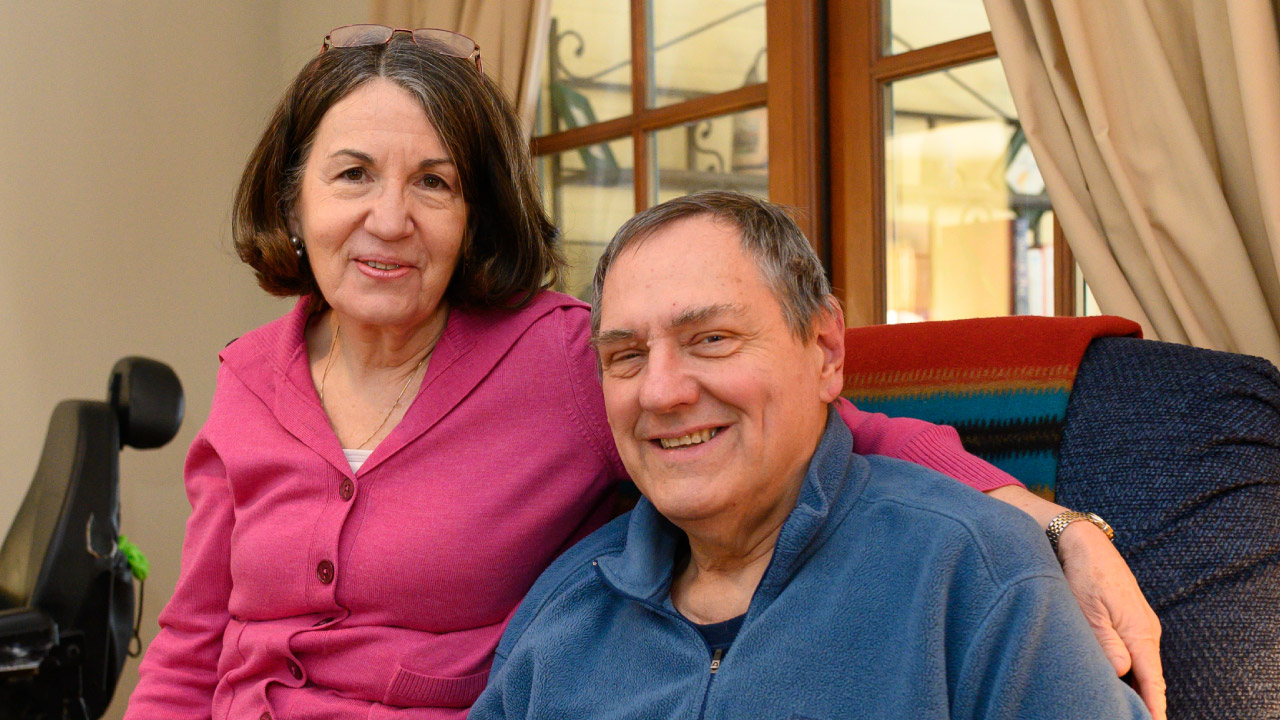
Bill and Maura, his wife of more than 40 years

As they learned to cope with the constantly increasing limitations caused by his disease, Bill and Maura found themselves in a seemingly endless home renovation. They added ramps to the entryway and made the bathrooms handicap-accessible. They eventually had to redo the whole floor plan, making their living room and kitchen part of a giant loop.

Everything else had to change, too.

I get up every day to show our kids that life doesn’t stop with a diagnosis.

“His whole life now is full of equipment,” Maura says, as she pauses from helping Bill with his daily arm-strengthening exercises, her glance darting from Bill’s wheelchair, to his crutches and over to his special form-fitted recliner.

Patient with transthyretin amyloidosis (ATTR)
Bill’s everyday activities significantly impact his quality of life. Despite this, he is in good spirits and grateful for the progress with treatments for ATTR patients in the past few years.

Despite all this, Maura gushes lovingly that Bill is still the most positive person she knows. Bill, though, unhesitatingly acknowledges that he couldn’t do all this without her.

What the Future Holds

Maura has turned her experiences as Bill’s caregiver into a patient advocacy and geriatric management business. She is now a consultant for elder patients and people with newly diagnosed diseases, helping identify where to access medical care, how to keep doctors’ appointments in order and even how to organize a home to make it easier to navigate. She is glad to pass on some of the things it took her years to learn, in the hopes of making others’ lives just a little easier.

Surrounded by photos of friends and family, Bill shares, “I get up every day to show our kids that life doesn’t stop with a diagnosis. You don’t stop living.”

Bill has made numerous connections through patient advocacy and support groups since his diagnosis over a decade ago. His disease continues to worsen, but that hasn’t dampened his enthusiasm for emerging research, which he believes is the wave of the future.

Bill knows at least one of his three sons may have the ATTR mutation that could lead to disease symptoms with age. He tells the research community, “If you remember one thing, remember my sons.”

I am amazed by the dedication and passion of the research team at Intellia working on these possible genome editing treatments.